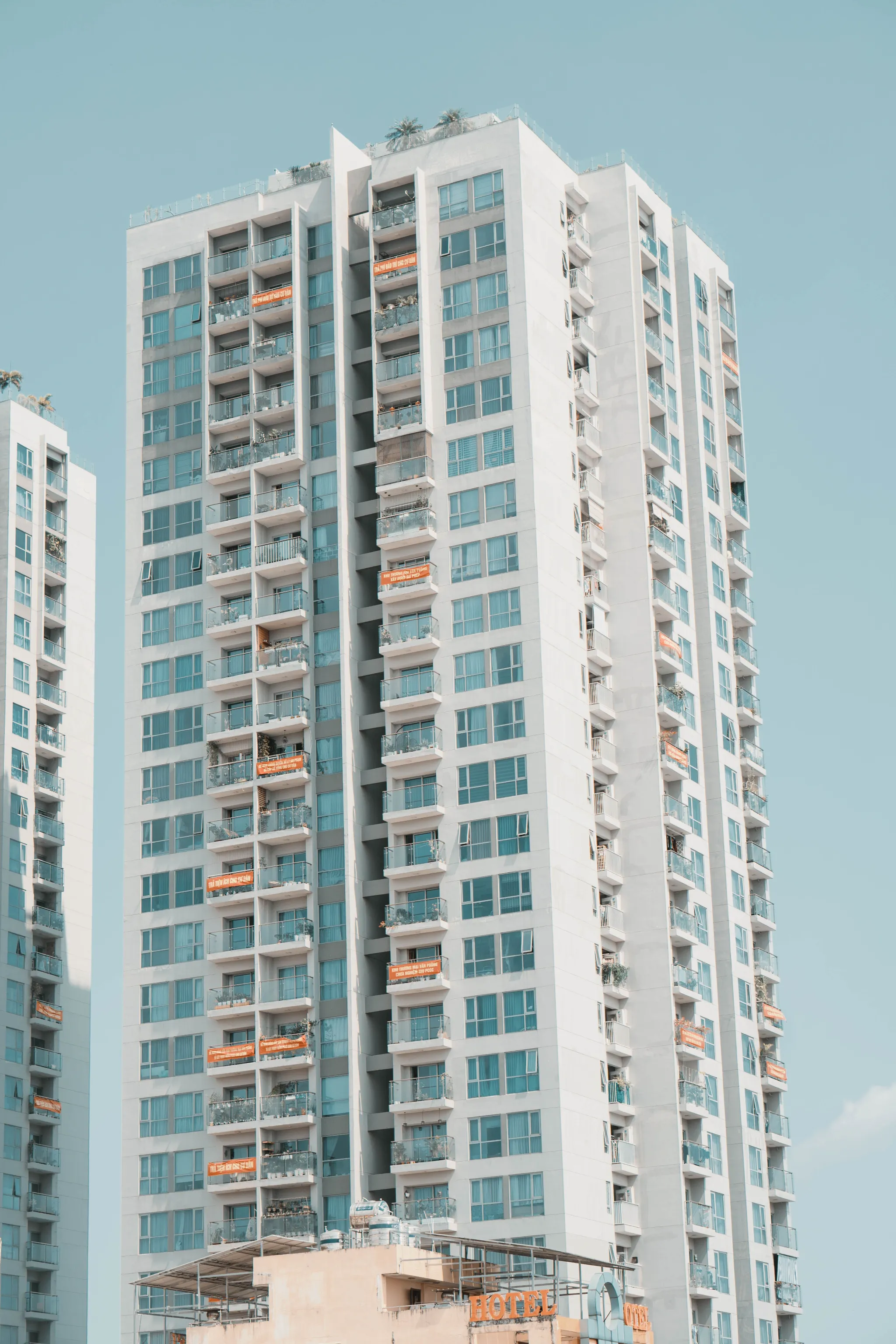
For a long time in Singapore, renting carried an unspoken asterisk. It was what you did if you were between homes, waiting on a flat, or not quite ready to settle. Buying was the plan; renting was the pause. That framing is quietly changing, and in August 2026 it got official recognition. Speaking at the opening of a new co-living development in Serangoon, National Development Minister Chee Hong Tat said the Government is studying a wider range of rental housing options — co-living, long-stay serviced apartments and Build-To-Rent models — to meet growing demand from younger Singaporeans who want flexible accommodation before they buy. Renting, in other words, is being treated as a legitimate stage of life rather than a fallback.
If you are in that stage now, the practical question is less about whether renting is respectable and more about how to do it well. Rent is almost certainly the largest recurring number in your budget, and the years before you buy are exactly when you have the least spare cash and the most to save. This is a guide to renting those years smartly in 2026: understanding the market you're renting into, keeping your move-in costs down, and turning your monthly rent from a bill that vanishes into one that gives something back.
Renting is now a life stage, not a last resort
The Minister's comments reflect something renters have felt for a while. Many young Singaporeans are choosing to rent first — to live independently, to enjoy flexibility, or simply to have their own space for the period before a home purchase makes sense. The Government has been responding to this. Long-stay serviced apartments were piloted in 2023 to meet rising demand for rental housing, and in July 2026 a new independent living initiative under the SG Youth Plan lined up two private co-living operators to offer more than a hundred subsidised rental units for people aged 21 to 35. Home ownership remains the long-term goal for most, but the message is that there is now room, and support, for a renting chapter in between.
That matters because it reframes how you should think about your rent. If renting is a two- or three-year phase rather than a stopgap of a few months, small monthly decisions compound. A payment method that quietly earns rewards, or a move-in that doesn't drain your savings, adds up to real money by the time you're ready to buy.
The market has tilted toward renters
The timing is unusually good for tenants. After the sharp rent increases of 2022 and 2023, the market has cooled and stabilised. A large wave of newly completed flats — more than 20,000 Build-To-Order units finished in 2025, with tens of thousands more arriving through 2027 — has fed supply back into the rental pool as some owners choose to lease rather than move in immediately. Private residential rents have been broadly flat through 2026, and vacancy has risen to around seven percent, which means landlords can no longer overprice a unit and expect it to move quickly.
For a renter, that translates into leverage you didn't have a couple of years ago. There is more choice, longer listing times, and genuine room to negotiate — whether that's a lower monthly rent, a minor repair thrown in, or more favourable terms on renewal. If you have been passively accepting whatever number a landlord opens with, 2026 is the year to stop. Come with recent transaction data for comparable units in the same area, be willing to walk, and treat the conversation as a normal negotiation rather than an imposition. In a softer market, the polite tenant who asks almost always does better than the one who doesn't.
Where your money actually goes when you move in
The part of renting that catches young Singaporeans off guard is not the monthly rent — it's the wall of cash needed to move in at all. Before you've spent a single night in a place, a typical move-in asks for the first month's rent up front, a security deposit that usually scales with the length of the lease — around one month's rent for a one-year lease, or two months' for a two-year lease — stamp duty on the tenancy agreement, and often an agent's fee.
Those numbers are larger than most people expect. On a S$3,000-a-month unit, a two-month deposit on a two-year lease alone is S$6,000. Stamp duty runs at 0.4 percent of the total rent across the lease, so a one-year tenancy at S$3,000 a month works out to around S$144 payable to IRAS. Add the first month's rent and a possible agent's fee of half a month to a month, and it is entirely normal to need somewhere between S$9,000 and S$12,000 in hand just to get the keys. For someone renting precisely because they haven't yet built up a home-buying deposit, that upfront lump is the single biggest barrier to renting somewhere decent.
This is the gap Rently's Lower Move-in Costs is built to close. Instead of locking up two months of rent in a deposit you won't see again until you move out, Rently can pay the deposit to your landlord on your behalf and let you spread that amount into smaller, manageable monthly payments. Your landlord still receives the full deposit they're entitled to, so nothing about your tenancy terms changes — but the wall of upfront cash becomes a series of small steps you can actually afford. In a phase of life where that S$6,000 might otherwise sit frozen in someone else's bank account, keeping it working for you is the difference between renting where you want and settling for less.
Turning your biggest monthly bill into something that pays back
Once you're in, the rent itself becomes the recurring number worth optimising. Here is the quiet inefficiency most renters never fix: almost every other big expense in your life can earn you something. Groceries, flights, your phone bill, even your insurance can put miles or cashback in your pocket. Rent — the largest line in the whole budget — usually just leaves your account by bank transfer and earns nothing at all.
It doesn't have to. Rently's Earn Rewards on Rent lets you pay your rent by eGIRO or by credit card and earn Max Miles on the amount, a flexible rewards currency you can transfer toward airline programmes such as Singapore Airlines KrisFlyer. On a S$3,000 monthly rent, that's S$36,000 a year passing through your hands — money you were always going to spend, now quietly building a balance you can redeem for a flight. If you already hold a miles credit card, paying rent by card through the service stacks two layers of rewards at once: your bank's card miles and Max Miles on top. Over a two- or three-year renting chapter, that's a genuine holiday funded by a bill you were paying anyway.
Flexibility for the in-between years
The Minister framed the appeal of renting around one word: flexibility. That applies to cash flow as much as to lifestyle. The years before you buy are rarely financially smooth — a bonus lands late, a big expense arrives at the wrong time, income between jobs gets lumpy. For those months, Rently also lets eligible tenants delay a rent payment by up to 29 days, so your landlord is still paid on time while you settle it a few weeks later once your own timing lines up. It's a way to smooth out the bumps without missing a payment or having an awkward conversation with your landlord — the kind of breathing room that makes a renting phase feel like a choice rather than a constraint.
Making the renting years count
The Government studying co-living, serviced apartments and Build-To-Rent is a signal worth reading: renting before you buy is becoming a normal, well-supported part of the Singapore housing story, not a detour from it. The renters who come out of that phase ahead won't necessarily be the ones who paid the least rent — they'll be the ones who kept their move-in cash working, earned something back on every monthly payment, and gave themselves flexibility when timing got tight. If you're renting through 2026, negotiate hard on a market that's finally on your side, keep your upfront costs low, and make your rent do more than disappear. Handled well, the years before you buy can quietly build toward the very home purchase they precede.